Why scraping pipelines break, and what to build instead
Most extraction projects do not fail at launch. They fail three weeks later, when the source changes and nobody notices.
A scraper is not a one-time script. It is a contract with a website you do not control. The site changes its markup, adds a rate limit, moves a field into a JavaScript payload, and the script keeps running — quietly returning fewer rows or empty strings until someone downstream asks why the report looks wrong.
In our experience the technical extraction is rarely the hard part. Keeping the data trustworthy over months is.
The three failure modes
Almost every broken pipeline we have inherited fails in one of three ways, and each one needs a different defense.
Validate on every run, not on every quarter
The cheapest fix is a schema check that runs with the extraction: expected types, expected ranges, expected row counts per source. If the price field drops below a plausible fill rate, the run fails loudly instead of writing bad data.
Change detection is the second layer. Store a fingerprint of the page structure and compare it. When the fingerprint moves, a human reviews the diff before the next scheduled run.
A pipeline that fails loudly on Tuesday costs one afternoon. A pipeline that fails quietly costs a quarter of decisions.
Design for the handover
Whoever maintains the pipeline in a year will not be whoever wrote it. That means documented source maps, one place where selectors live, and a log you can read without opening the code.
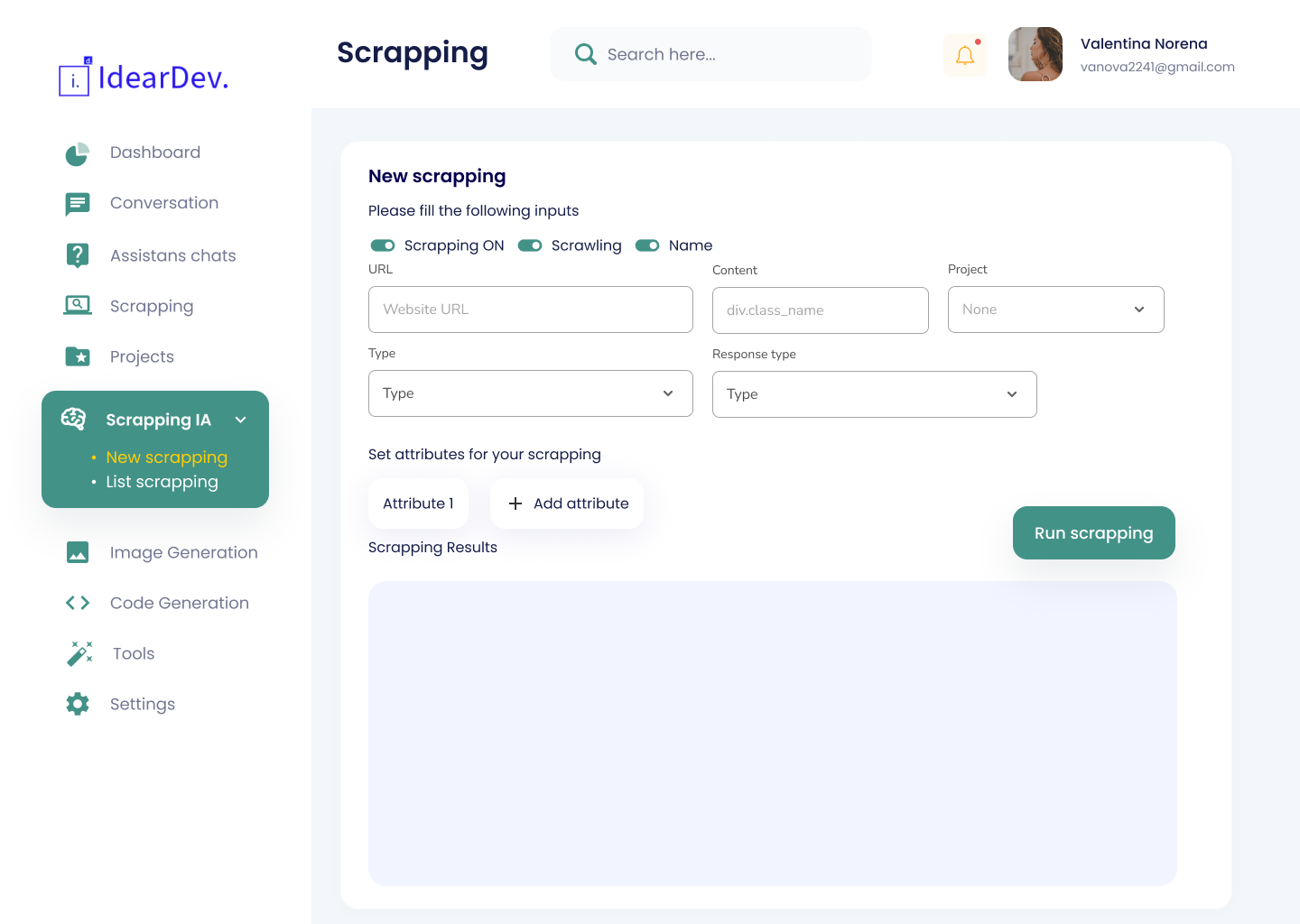
This is the standard we build to at IdearDev, and it is the reason Scrapify exists: the schedules, attribute definitions, validation rules and change alerts sit in a platform instead of in someone's local scripts.